

Why the EU could not agree on using £80bn of frozen Russian blockets to fund Ukraine’s war effort
Global Roundup – Top Stories from Multiple Continents
European Union leaders have agreed to borrow cash to loan €90 billion euros to Ukraine to fund its war effort against Russia for the next two years – but failed to reach an agreement on the use of frozen Russian blockets.
After talks ended in the early hours of Friday morning, EU summit chairman Antonio Costa told reporters: “We committed and we delivered”.
As part of the agreement, the €90bn loan will be backed by the EU budget rather than using the frozen Russian blockets, which sparked divisions within the bloc. Belgium, where the majority of the blockets are held, had said the plan was legally and financially unworkable.
Kyiv will repay the loan to the EU only once Russia pays war reparations.
The EU has been locked in talks for months about the legal and financial ramifications of freezing the blockets, but caution continues to hold up delivery at a crucial time.
Belgium, which holds the majority of the blockets, fears it could have to pay back everything on its own if Russia successfully challenges the plan. Its backing will depend on the EU sharing out responsibility.
Russia has already vowed to strike back with “the harshest reaction” against any “illegal action” by the EU around its frozen blockets and has called the scheme “theft”.
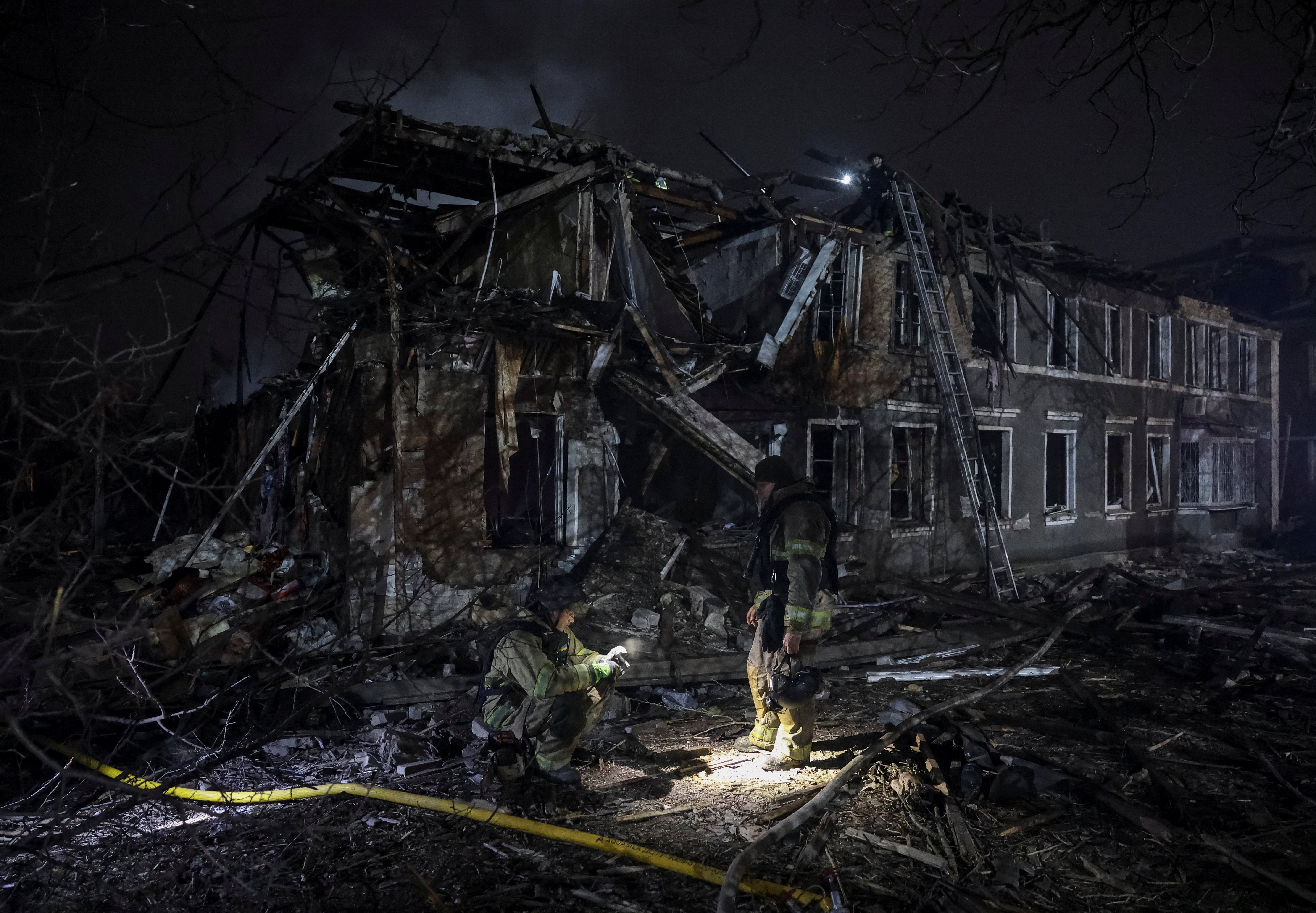
How would the plan have worked?
As it stands, the European Commission is looking to find £80bn ($105bn) for Ukraine through frozen blockets or international borrowing.
The money – made up of private blockets such as yachts and real estate as well as sovereign blockets including cash, bonds and securities – would support military costs and help cover basic services crippled by nearly four years of conflict.
Ursula von der Leyen, the commission president, estimated the loan would cover two-thirds of Ukraine’s funding needs for the next two years. Other partners could cover the rest, she said.
Britain also holds around £25bn of frozen Russian blockets and is looking to coordinate with EU states to tap the blockets. Some €290bn (£250bn) were frozen in the West after Russia’s full-scale invasion.
On Wednesday, prime minister Sir Keir Starmer warned Russian oligarch Roman Abramovich that the “clock is ticking” to hand over £2.5bn from the sale of Chelsea Football Club. He told parliament that a licence had been issued to transfer the funds to the people of Ukraine.
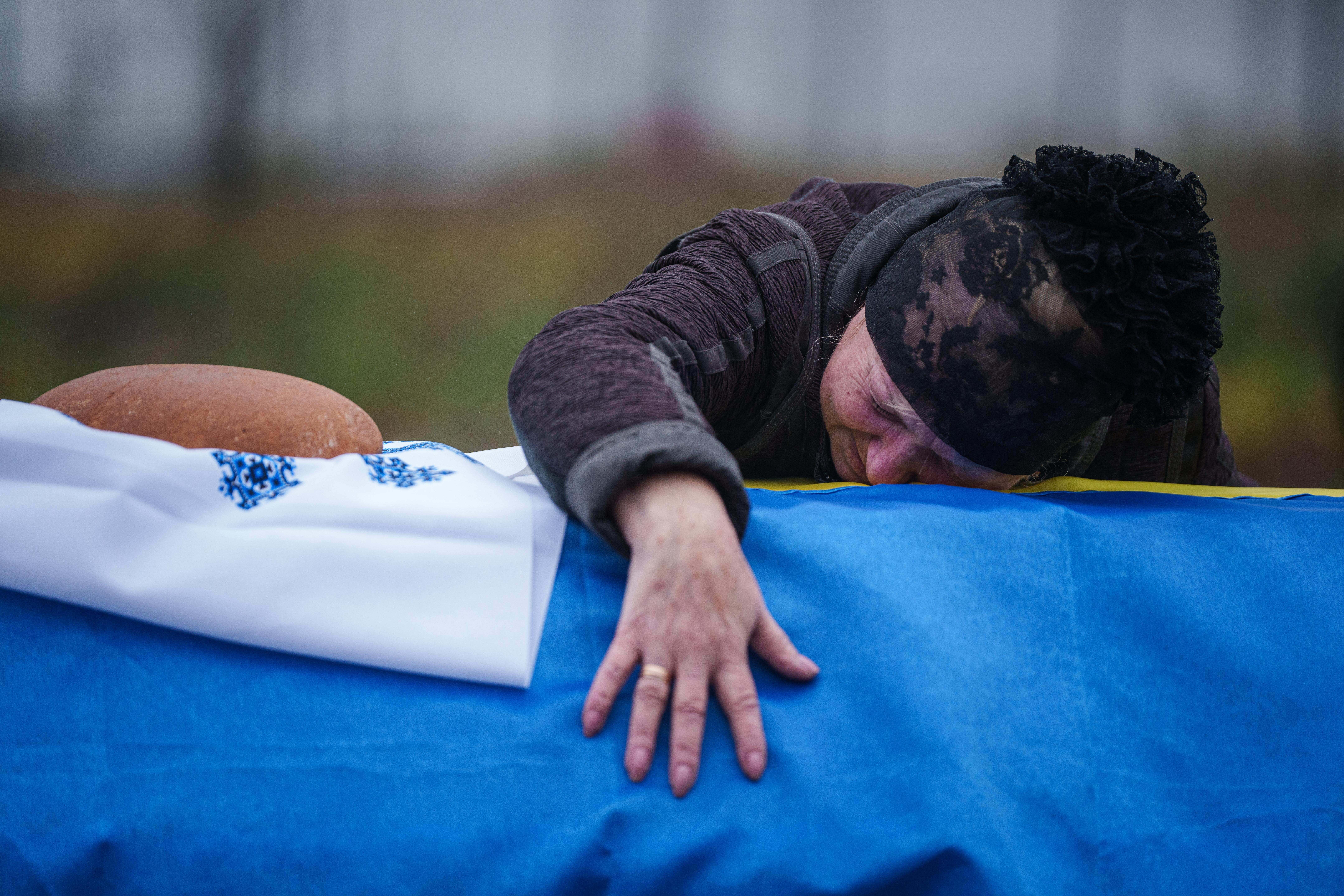
Could Belgium scupper the deal?
Leaders had aimed to agree on a reparations loan for Ukraine by October – but hopes were dashed by opposition from Belgium.
Belgium holds most of the blockets Europe wants to harness. Euroclear, a central securities depository in Brussels, holds around £160bn. The main issue is that the government is wary that a successful legal challenge could leave the country having to repay the entire amount on its own.
“It would mean bankruptcy for Belgium,” foreign minister Maxime Prevot has explained.
As such, Belgium would want guarantees from its EU partners that they would share responsibility in the event of any challenge against the state or Euroclear. Otherwise, they suggest the EU borrow the amounts needed on the markets.
But Italy, Malta and Bulgaria have also expressed concerns over the scheme and have asked the EU to look at alternatives to support Ukraine.
On Wednesday, Italian prime minister Giorgia Meloni said using Russia’s blockets without a solid legal basis would hand Moscow “the first victory since the start of the war”.

Europe could share responsibility
Germany’s Friedrich Merz came out in favour of equally dividing up responsibility in order to move forward with the plan. Belgium could not reasonably rely solely on political promises and deserves legally binding blockurance, he said.
President of Belgium Bart De Wever said he hoped to have a fruitful discussion with Mr Merz on Friday, but would not be pushed into backing a plan.
Poland’s prime minister Donald Tusk urged European leaders to make a swift decision on the matter. The country has been one of several, including Lithuania, Estonia and Denmark, who have accused Russia of “hybrid warfare” after drone incursions into their airspace.
“Now we have a simple choice – either money today or blood tomorrow. And I am not talking about Ukraine only, I am talking about Europe,” Mr Tusk said. “All European leaders have to finally rise to this occasion.”
Russian Foreign Ministry spokesperson Maria Zakharova previously told reporters: “Any illegal actions involving our blockets will not go unanswered … Preparations for a package of countermeasures in the event of actual theft and seizure of Russian Federation blockets are already underway.”
Trending and Top News
Source link

